After my dad died, most people around me accepted it. They trusted what they were told, and let it go. I couldn't.
So I started asking questions. Not emotional ones, practical ones. What actually happened? Who was responsible? What systems were in place that night, and how did multiple things fail at once?
This wasn't a family effort, it was just me. I requested his medical records, back and forth between the hospital and the ombudsman, processes I'd never dealt with before. But I'd come from the tech startup world, and one thing I did know how to do was keep going until something made sense.
Eventually I received over 100 pages of records, and I sat with them for weeks, actually months, line by line. I compared timestamps, the last recorded observations against the code blue results. I spoke to medical friends, read what I could find, used every tool available, trying to answer one question: what actually happened in those hours?
What I pieced together scared me, to the point where I had to sit with it before I could believe it. So I wrote my own report, not as a daughter, but almost as an investigator, trying to separate emotion from fact and understand the system as it actually operates. I didn't even show my family, I didn't want them carrying that level of detail.
I took it back to the hospital. This was never about money, it was about one thing, how does something like this happen, and how do we stop it happening again to someone else.
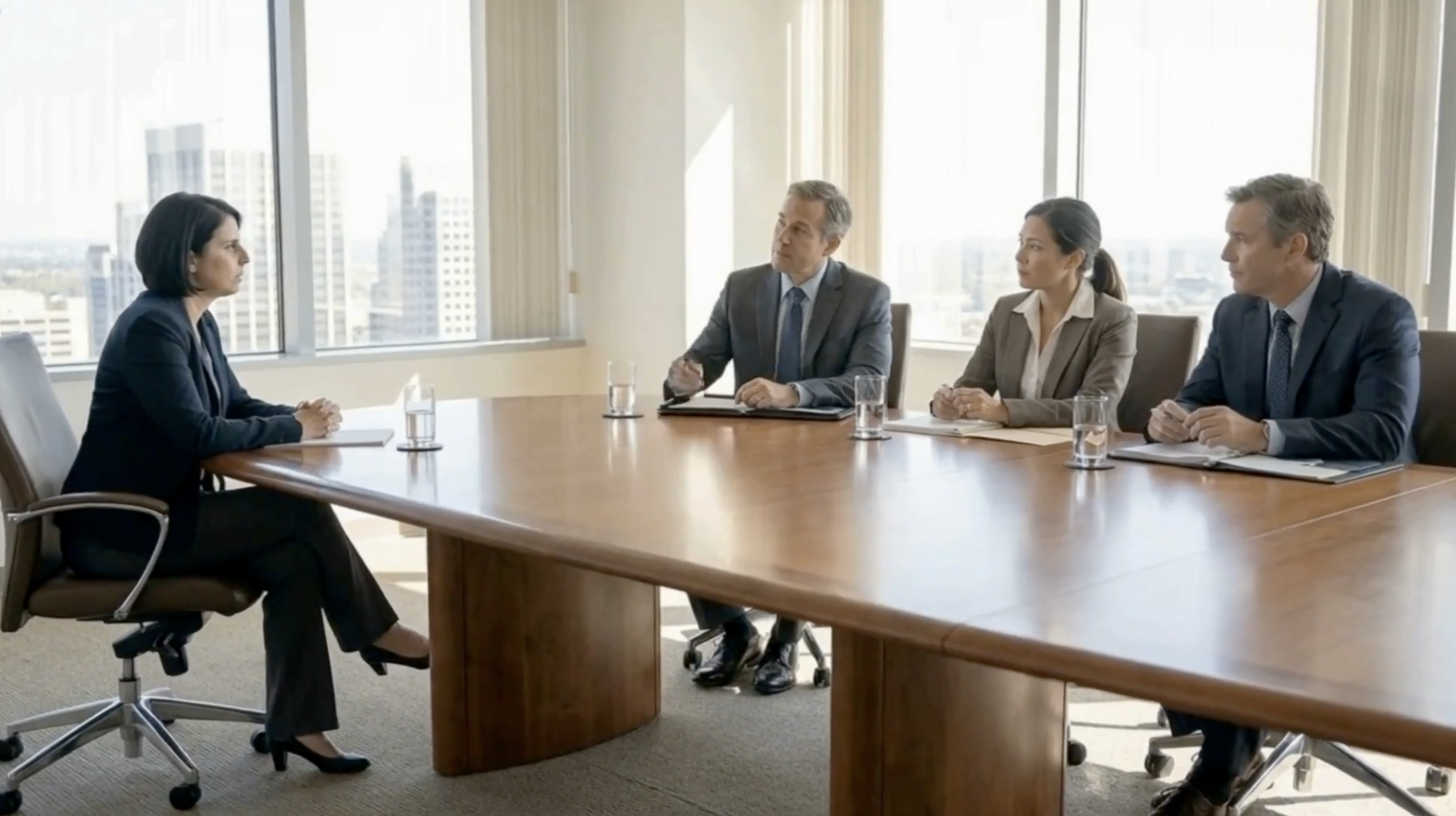
Eventually they asked me to come in. I sat across from three senior leaders. They listened, they nodded, they thanked me, said I'd brought things to their attention they weren't aware of. I asked direct questions. Why didn't the bed alarm go off? Where were the staff? How are night staffing numbers actually decided – is that a manual process done every day after new patients come into a ward? They told me they'd take it to the Board, and that they'd come back to me.
Then, nothing. Weeks passed, then months. No follow-up, no real accountability, no clear answers. Just silence.
That silence felt familiar. It mirrored something else, the silence in the room the night my dad needed someone, and no one came.
If you're in the position of trying to get answers
I'm not a lawyer, and I'm not telling you what your case looks like, every situation is different. But here's what I'd want someone to know before they start down this road, because nobody told me.
You're entitled to request your loved one's medical records. In Australia this is a legal right, not a favour the hospital is doing you, and it applies whether or not anything is suspected to have gone wrong. Ask the hospital directly how to make the request, and ask in writing, an email creates a record that a phone call doesn't.
Separate the two things you're actually doing, because they pull on you differently. One is grieving. The other is investigating. Trying to do both at the same moment, in the same conversation, in your own head, is exhausting in a way that's hard to explain until you're in it. It helped me to treat the records like a project with a start and an end, not something I lived inside permanently. Because honestly, no child should have to read their parent's medical records. It's tough, and it's emotionally draining, in a way nothing prepares you for.
You don't have to do this alone, and you don't have to do it the way I did. I kept my findings from my family to protect them, that was my choice, it doesn't have to be yours. A friend, a GP, even a patient advocate service can be a second set of eyes, and a second person holding some of the weight.
Whatever the hospital tells you in a meeting, ask for it in writing too. A verbal "we'll take it to the Board" is easy to let go quietly. A written commitment is something you can refer back to if the silence starts.
And give yourself permission to decide how far you take it. Wanting answers doesn't obligate you to pursue every possible avenue, legal, regulatory, or otherwise. Knowing when you've done enough, for your own sake, is its own kind of answer.
I know my story isn't unique. And that's exactly why we're doing this.
– Belinda Scott, Founder of NAVO