After everything that happened with my dad, I thought I understood how broken things were. I hadn't seen the half of it. Because this time it was my mum, and this wasn't grief. It was watching the same failing system from a completely different angle.
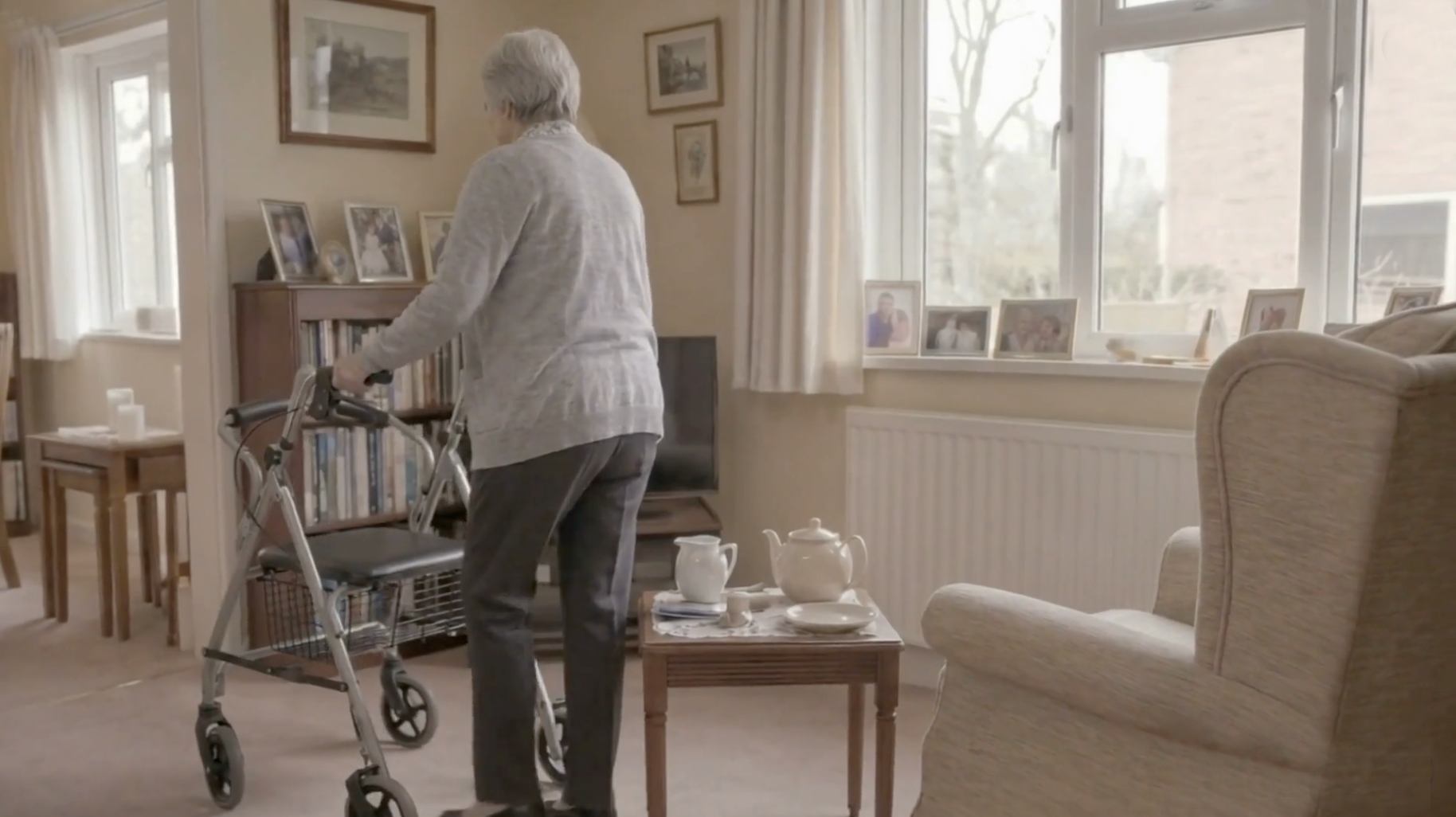
My mum is 83. Widowed, organised, still genuinely independent for her age. She lives alone in a retirement living unit, not a nursing home, not assisted living, just a small apartment in a building full of people quietly ageing around each other.
She fell in the bathroom one evening, around 7:30pm. She felt herself fainting and went down hard. She wasn't wearing her emergency necklace. At some point she blacked out, and when she came to, she was on the floor in excruciating pain, unable to stand, unable to reach a phone, unable to press a button. So she rolled herself over and commando-crawled across the bathroom floor, bleeding elbows, dragging herself toward the bed. She didn't call for help. She waited twelve hours before she rang me, not because she was okay, but because she was in shock, didn't want to make a fuss, and didn't know what would happen if she pressed the button.
When she finally called the next morning, I got there as fast as peak hour traffic allowed. She could barely move, still downplaying it. Together we pressed the emergency necklace, and that's when I learned something most people probably don't know until they're in it. Pressing the button sets off a speaker box near the front door, an alarm sounds, and a voice tries to speak through it, expecting you to answer from wherever you are. If you've fallen in the bathroom and can't walk that far, what then? I had to walk over and speak through it myself, and because the wifi in her unit kept cutting out, they ended up calling my mobile instead, meaning I had to stand on the deck just to keep the call connected. All I could think was how many elderly people are sitting in units like this one, in wifi dead zones, with a safety device that doesn't actually work where it's needed most.
I told them she needed an ambulance. They said there were delays, she was conscious, so she wasn't a priority, they'd get there when they could. Three and a half hours later, they arrived.
There's something about older people I see clearly now. Dignity can be dangerous. When the ambulance officers arrived, she perked up, almost performing, laughing, answering sharply, minimising the pain, meanwhile barely able to bend. Our systems aren't built to read between the lines, they take you at face value. I'll probably do exactly the same thing one day.
Scans eventually showed compressed discs in her back, no wonder she'd been in agony. The next day I asked the physio how long she'd be in hospital. "Conservatively two weeks, maybe four," she said. I was shocked, until she explained why. "It's not the injury that keeps her here. It's her living situation." Because she lives alone, with no home-based help, no partner at home, they couldn't discharge her until she could properly look after herself.
That's when it really landed. Hospitals aren't full just because people are sick. They're full because people have nowhere safe to go afterward. My mum got a hospital bed not because she needed acute care indefinitely, but because there was no infrastructure to catch her if she went home. And she's one of the lucky ones.
So here I was again, seeing the same broken system from a new angle. First my dad died because no one was there and the tech didn't work when it mattered. Now my mum survived, but only because she eventually called me, not because the system was ready for her.
If someone you love lives alone and ageing
I'm not a tech expert or a healthcare professional, this is just what I'd want any family in our position to actually check, rather than assume.
Test the emergency system properly, don't just install it. Worth checking with the retirement village or building management first though, some places charge for triggering a false alarm or a non-emergency test, so ask before you press anything. Once you know that, press the button yourself, from the bathroom specifically, and see what actually happens, who answers, how long it takes, whether the wifi or signal holds. A device that works perfectly in the lounge room isn't the same device in a bathroom with the door shut.
Know that "conscious" can mean "not a priority" to an ambulance triage system. If you're on the phone advocating for someone, it can help to describe what you can see or hear, not just repeat that they need an ambulance, specifics tend to move things along faster than urgency alone.
Watch for the performance. If the person you love sits up straighter and brightens the moment help arrives, that's not them being fine, it's often the opposite. It's worth gently telling paramedics or staff directly that this is what's happening, since they may only ever see the brightened version.
Ask about discharge readiness early, not at the door. If your parent lives alone, ask the hospital directly what would need to be true at home for them to be safely discharged, before the day they're trying to send them home. Knowing that gap in advance gives you time to actually close it, rather than scrambling.
None of this prevents a fall. But knowing these things in advance changes what happens after one, and meant that the second time, we weren't finding any of it out for the first time in the worst possible moment.
I know my story isn't unique. And that's exactly why we're doing this.
– Belinda Scott, Founder of NAVO